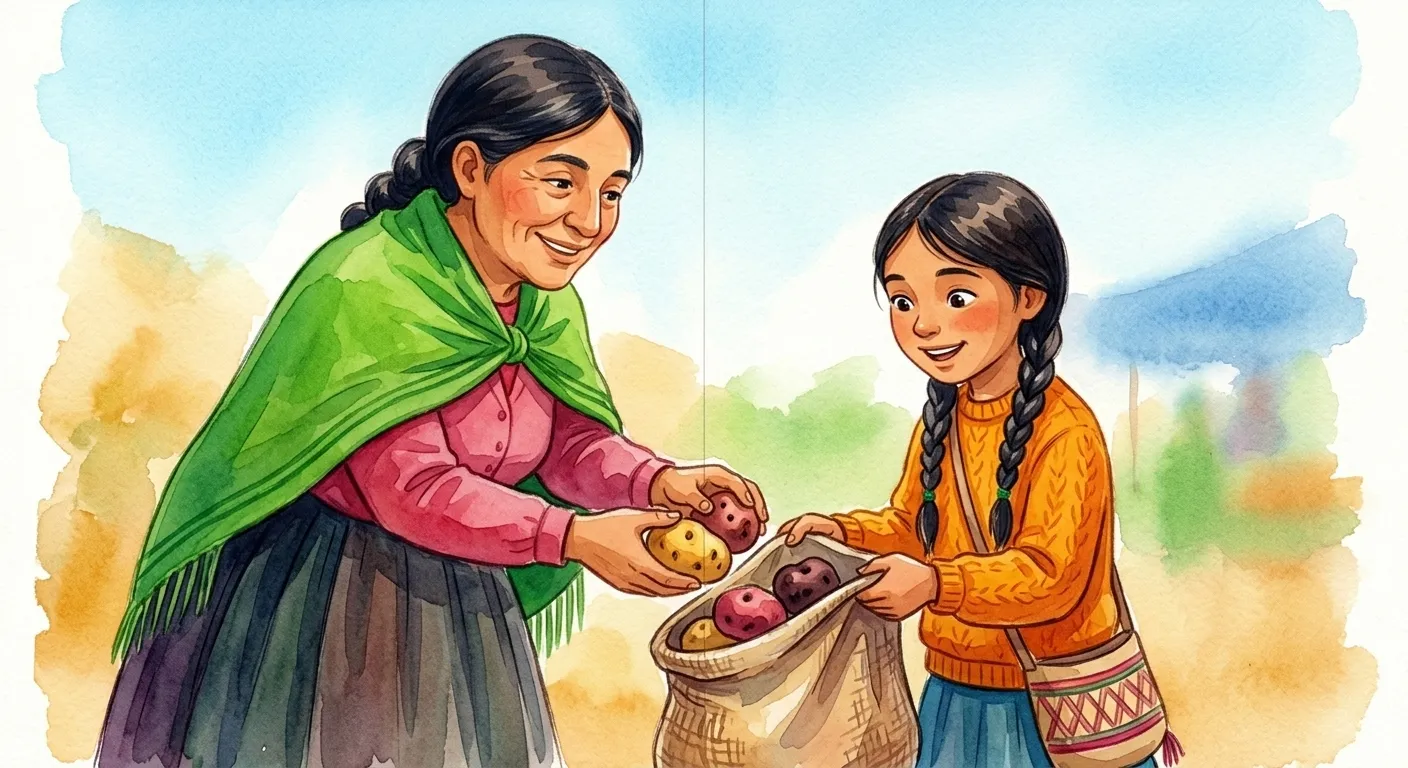
Books designed for a purpose
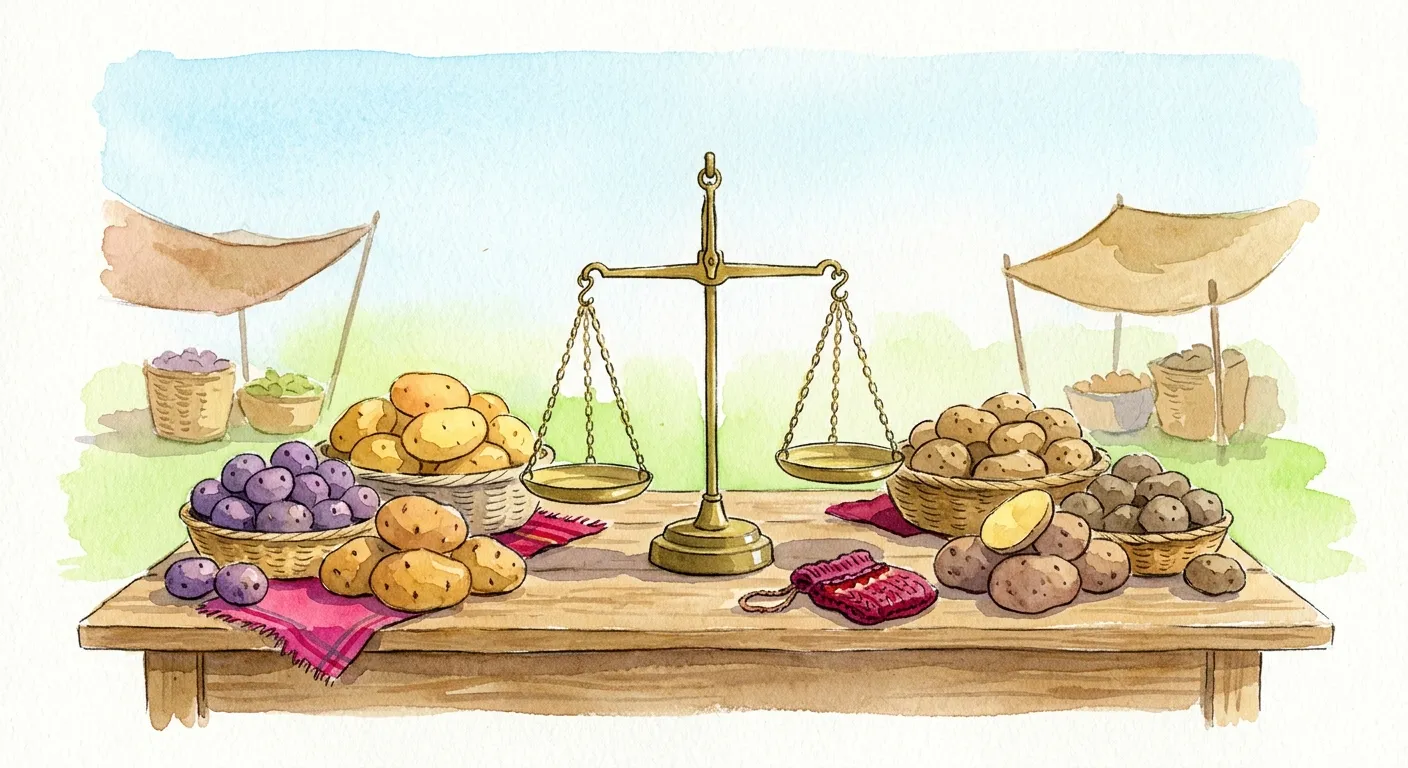
Every text states its code demand (C1–C4, against an explicit sequence of Spanish) and its language profile (vocabulary, syntax, discourse, knowledge, image). Two descriptions, never a single band that labels the child.
A national proposal for early literacy in Spanish for Peru's rural multigrade schools.
The problem
In a rural multigrade school, children with very different reading journeys share a single classroom. The materials available were not designed for that reality.
The approach
None works alone: the books state their demand, screening turns into teaching, and the kit organizes the classroom around that priority.
Every text states its code demand (C1–C4, against an explicit sequence of Spanish) and its language profile (vocabulary, syntax, discourse, knowledge, image). Two descriptions, never a single band that labels the child.
A short task route yields a teaching priority (code, fluency, language-comprehension, extension) and a state of the evidence. No scores, no levels: deciding nothing is a legitimate outcome.
Temporary groups by objective, certified independent tasks, re-entry for those who missed class, functional routines and teacher support. Priority organizes mobile groups, not fixed identities.
What makes it different
These are decisions, not promises: they define how books are written, how learning is measured, and how teaching is organized.
The project in numbers
The collection
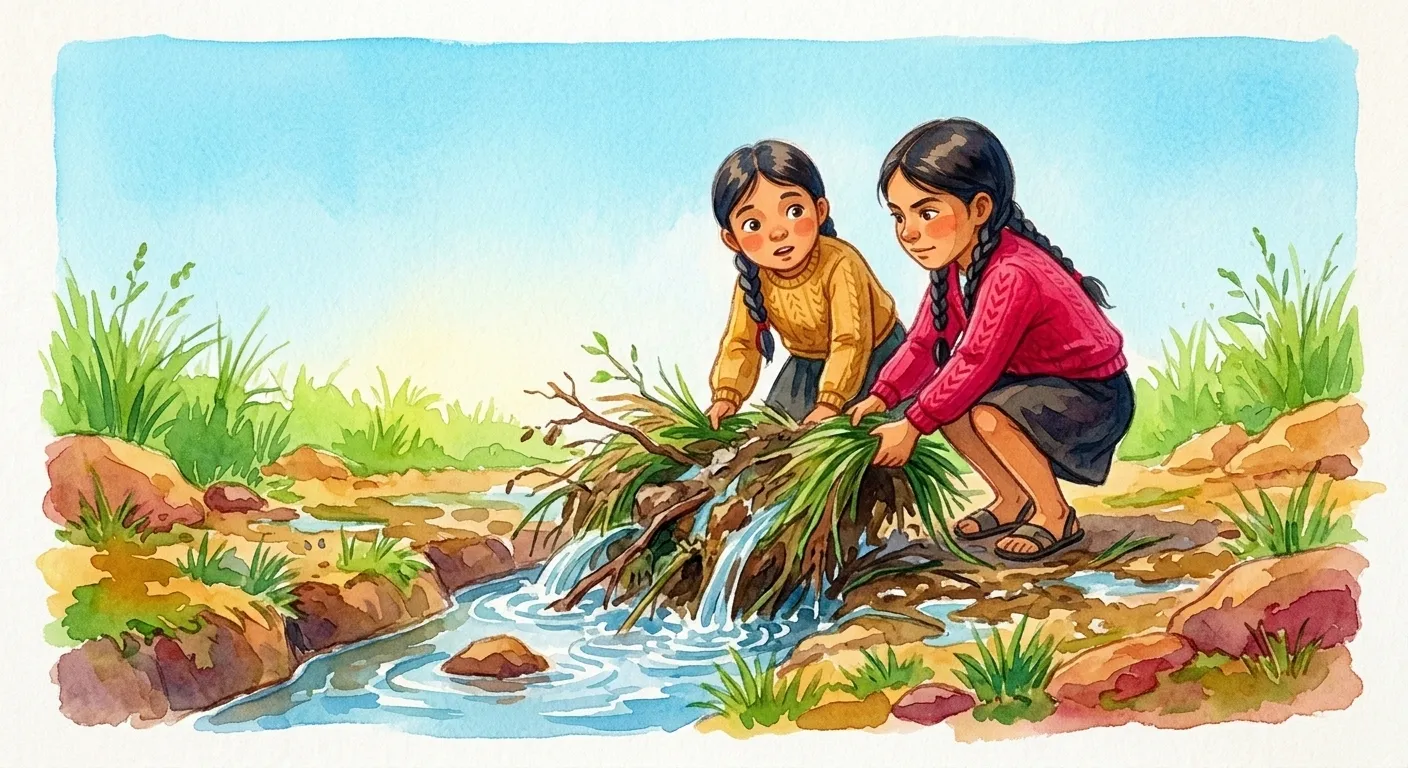
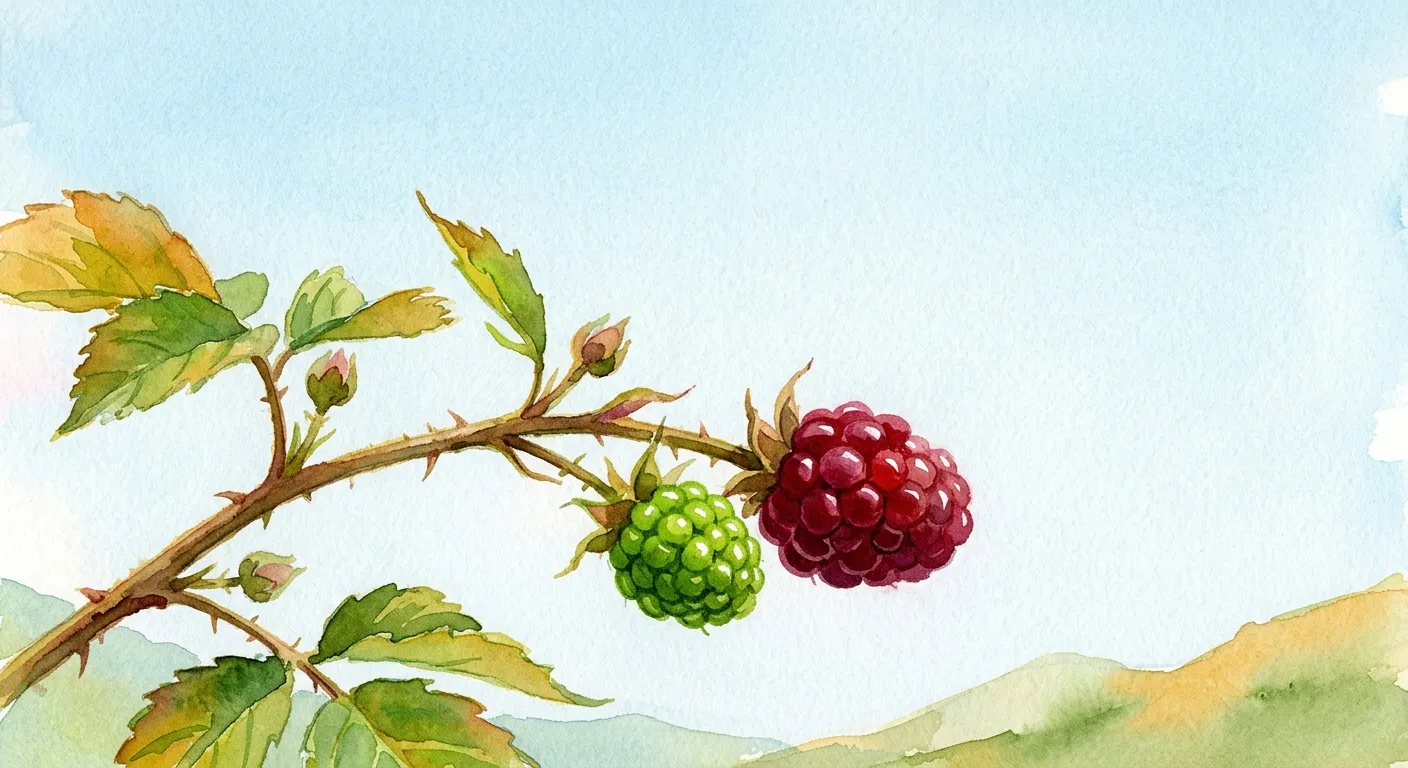
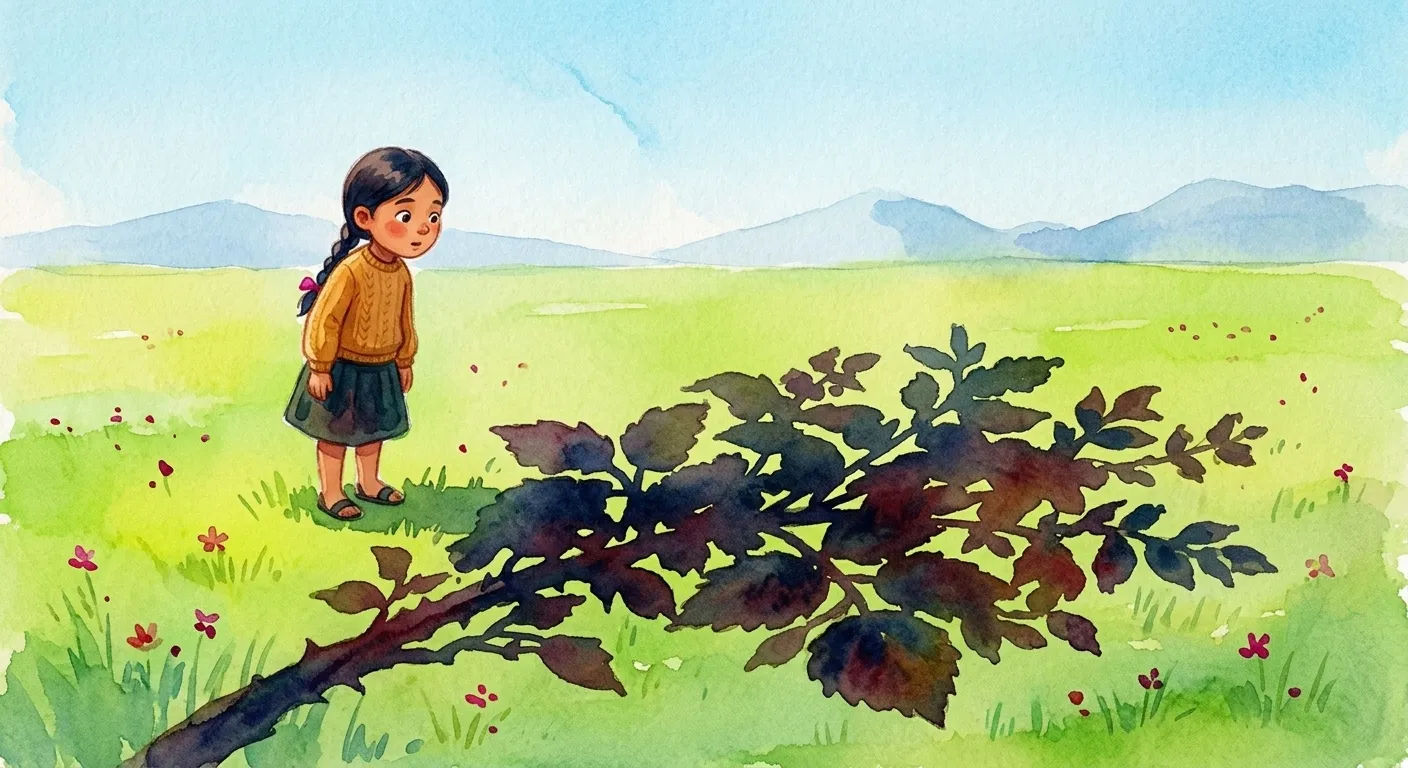
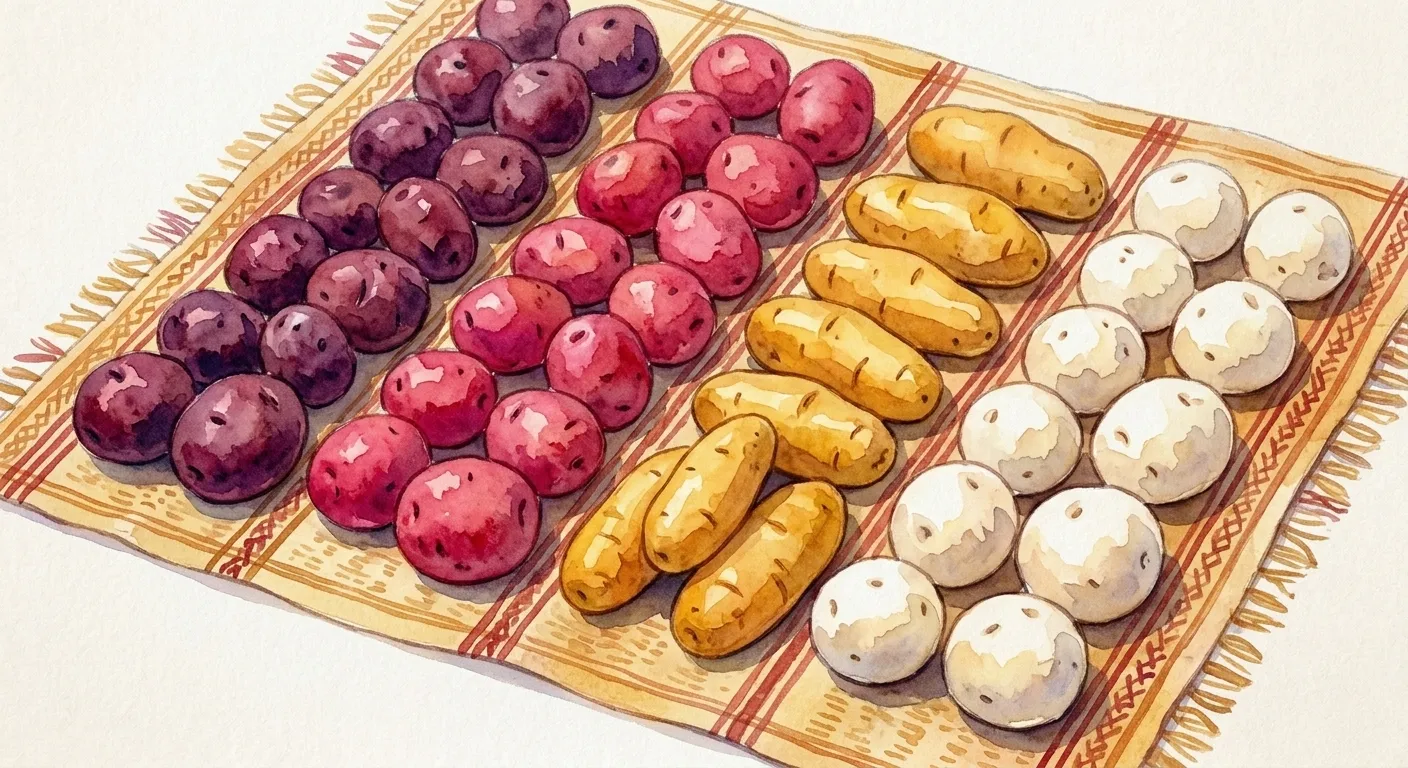
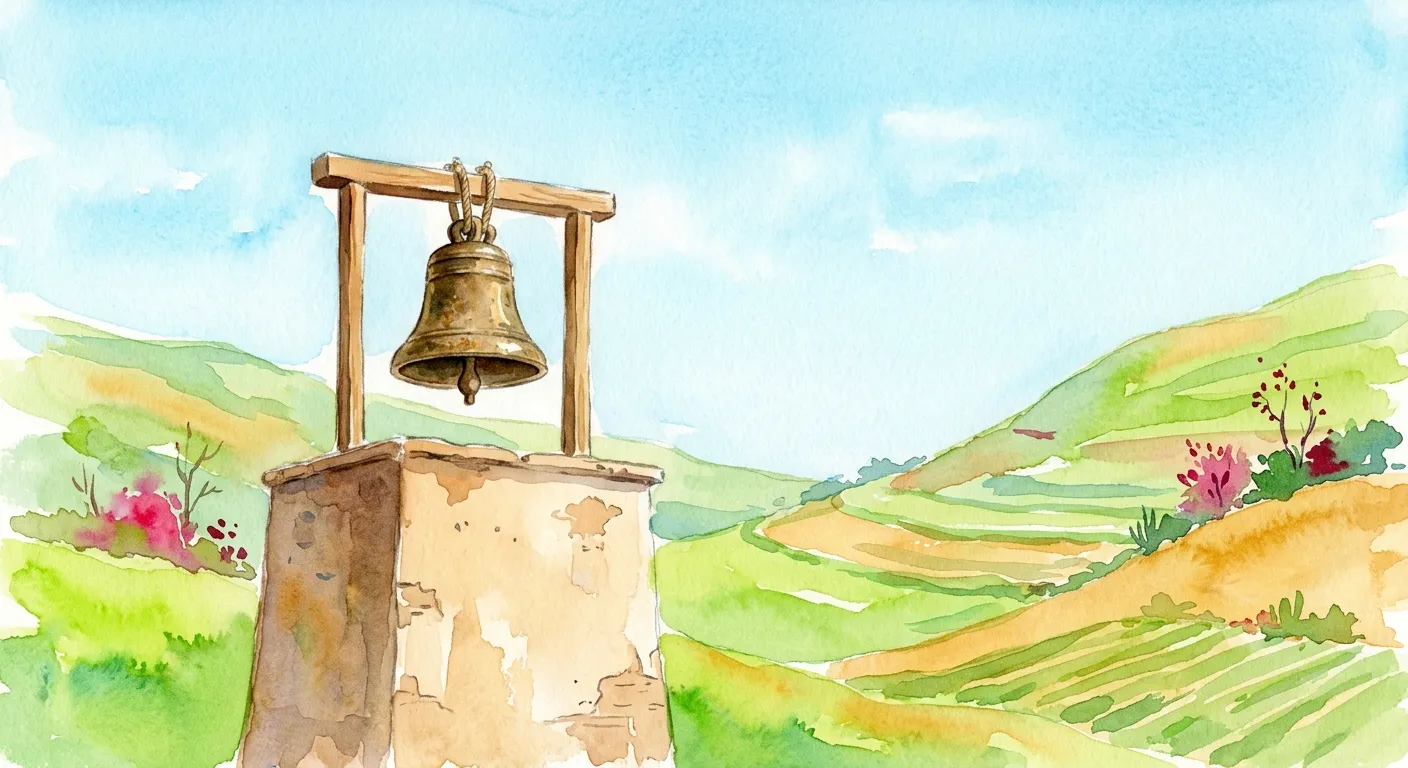
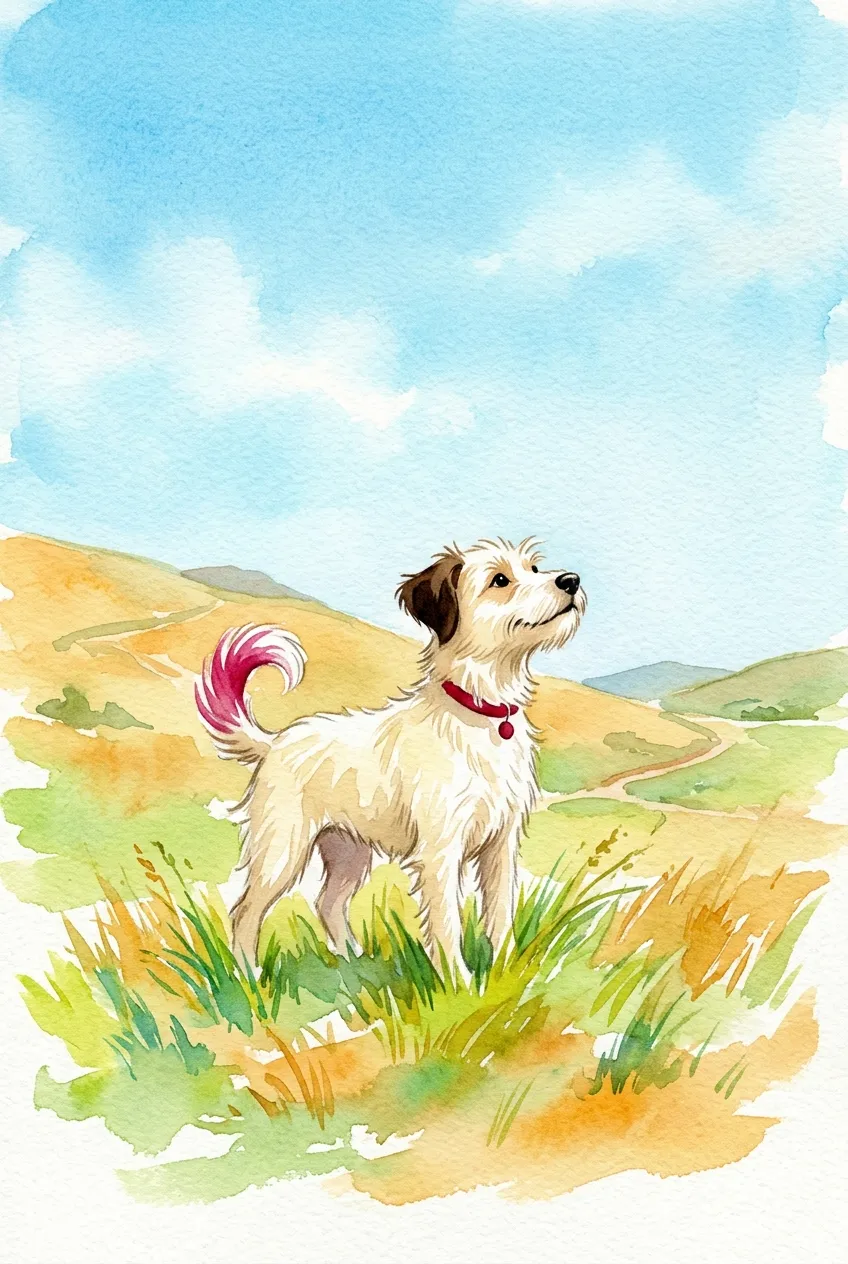
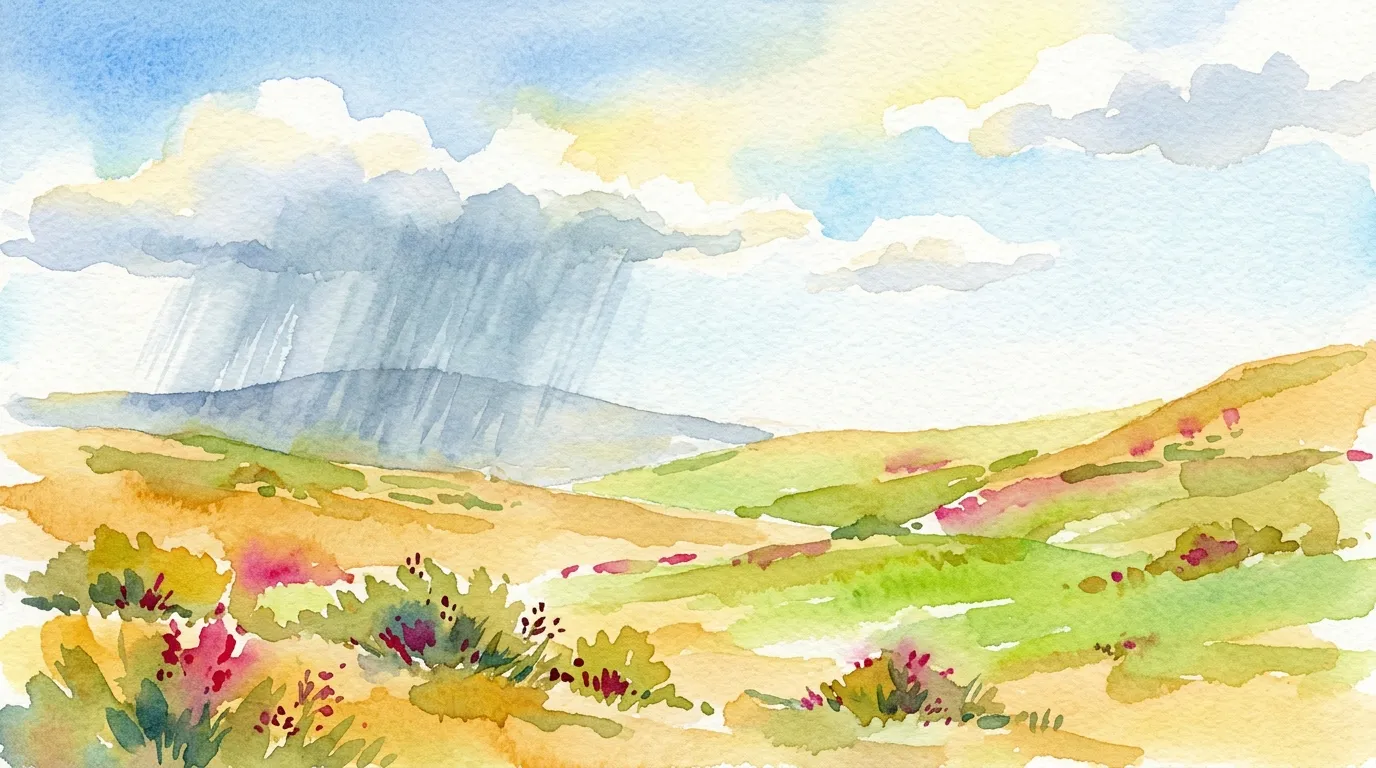
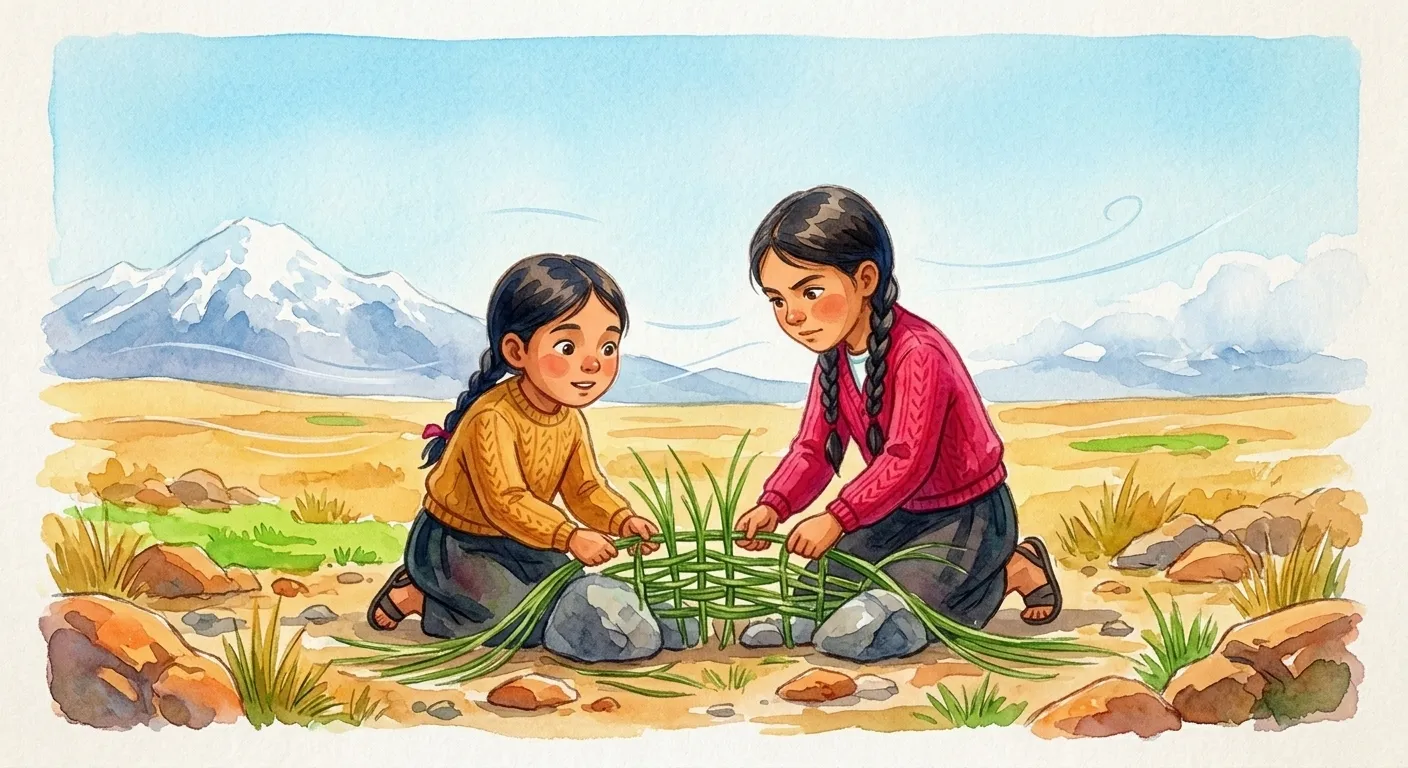
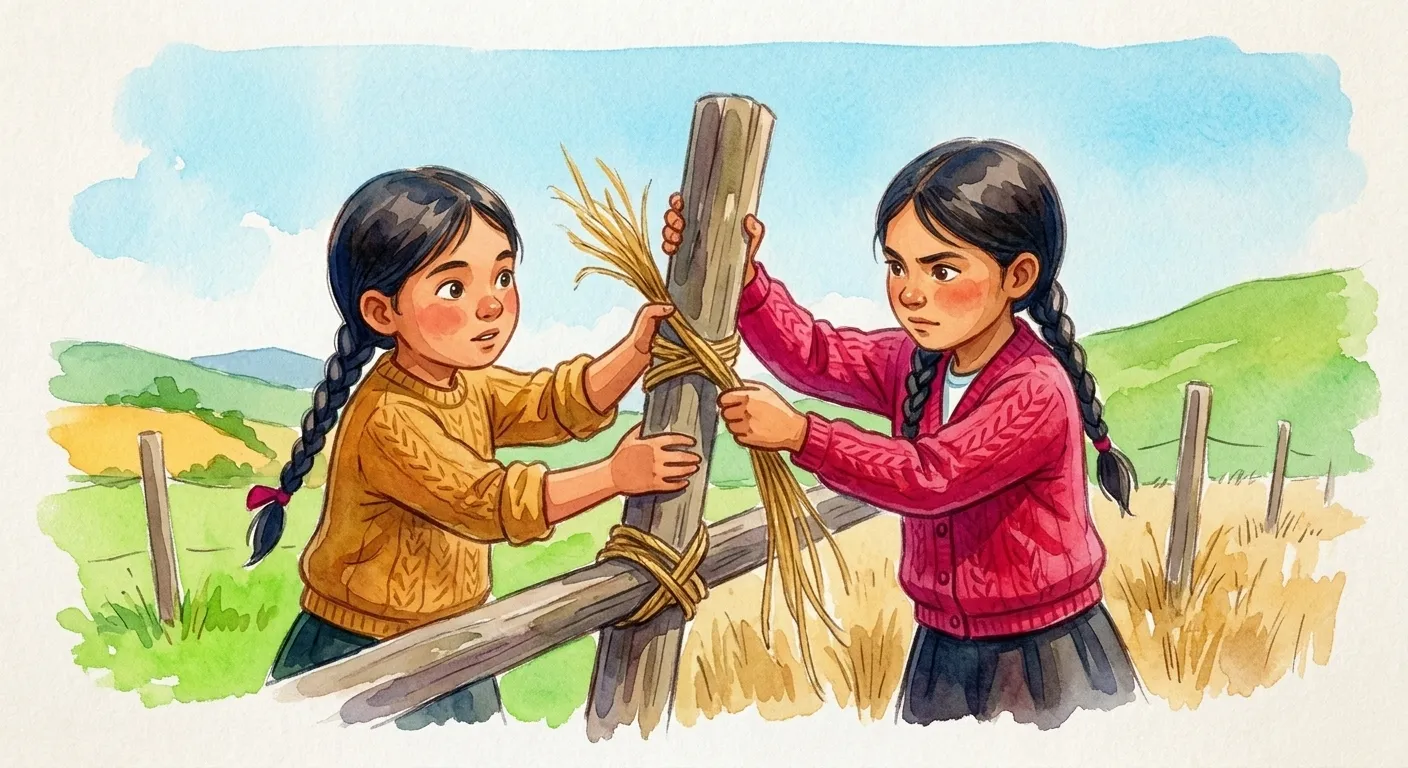
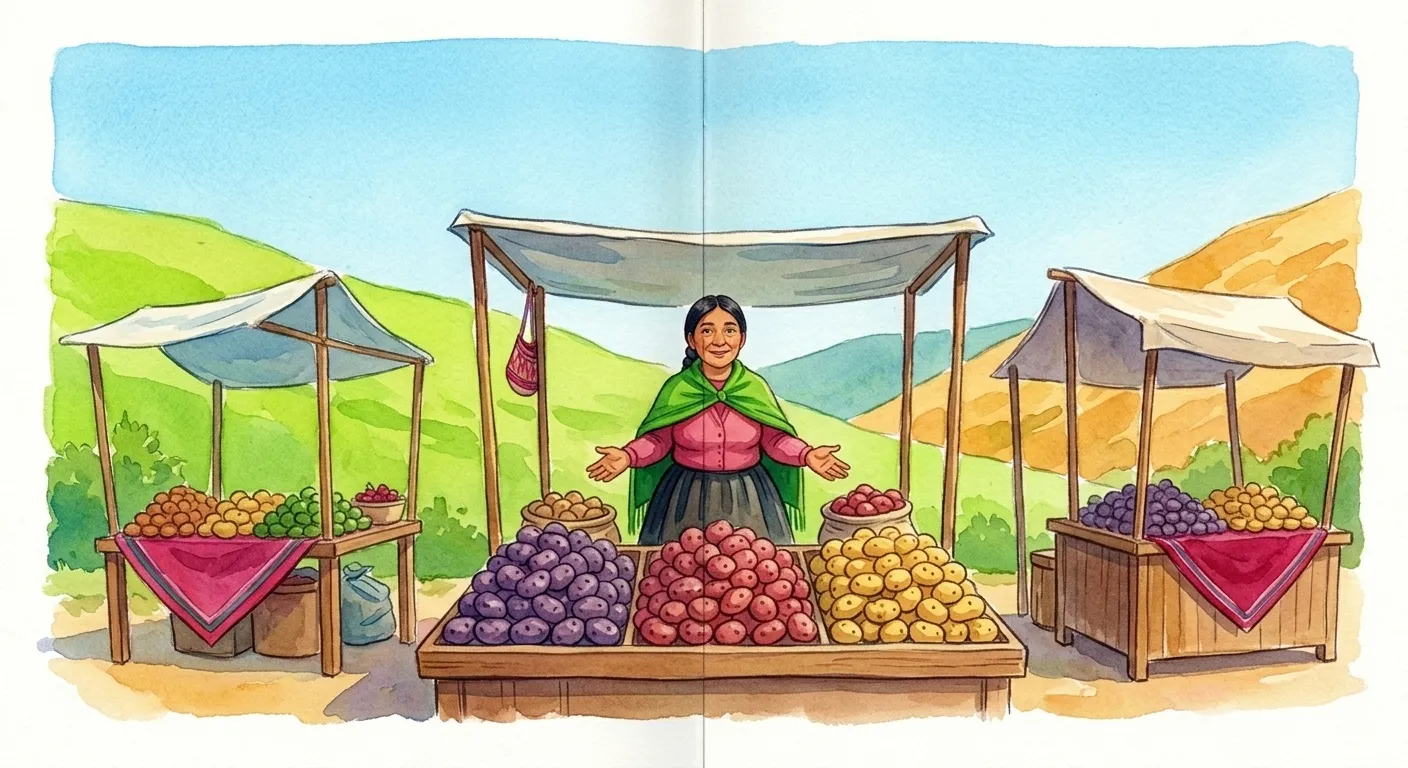
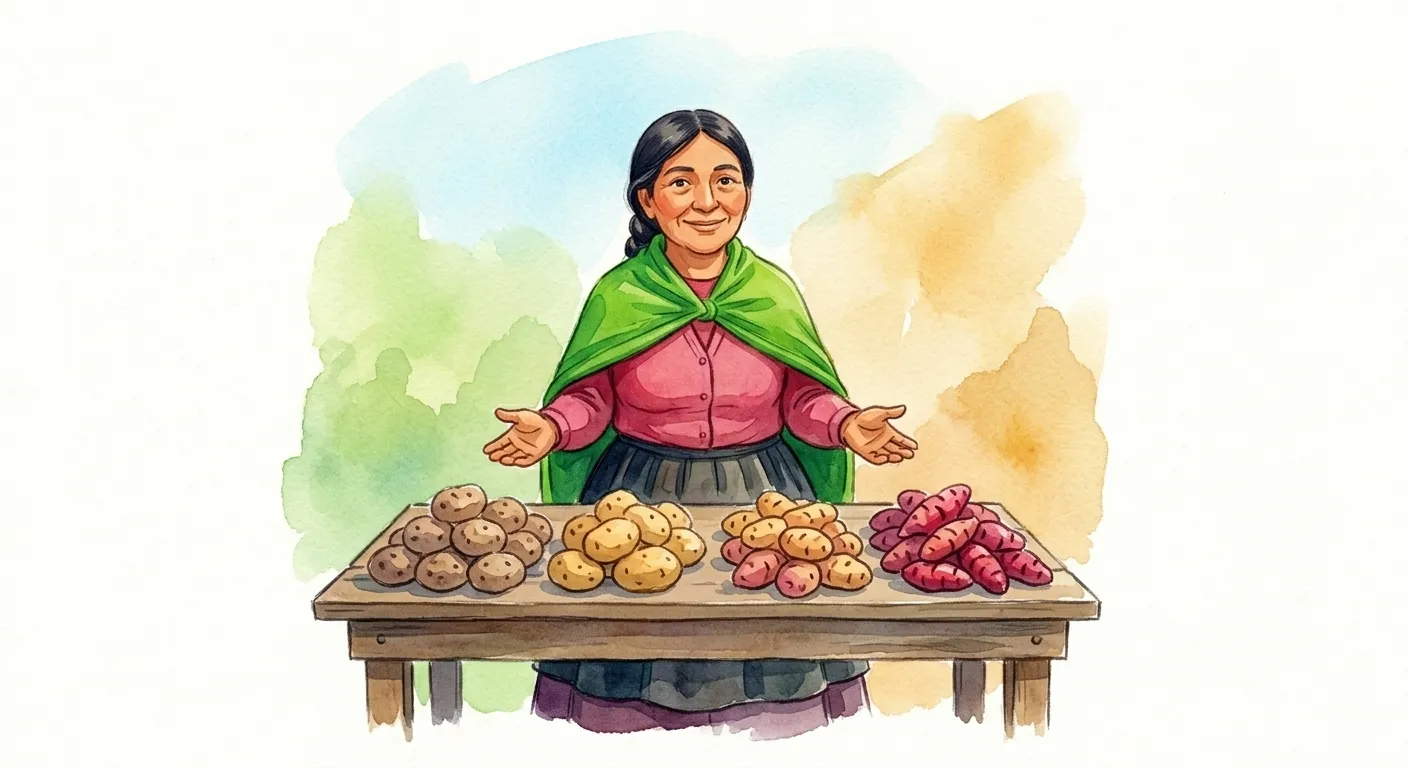
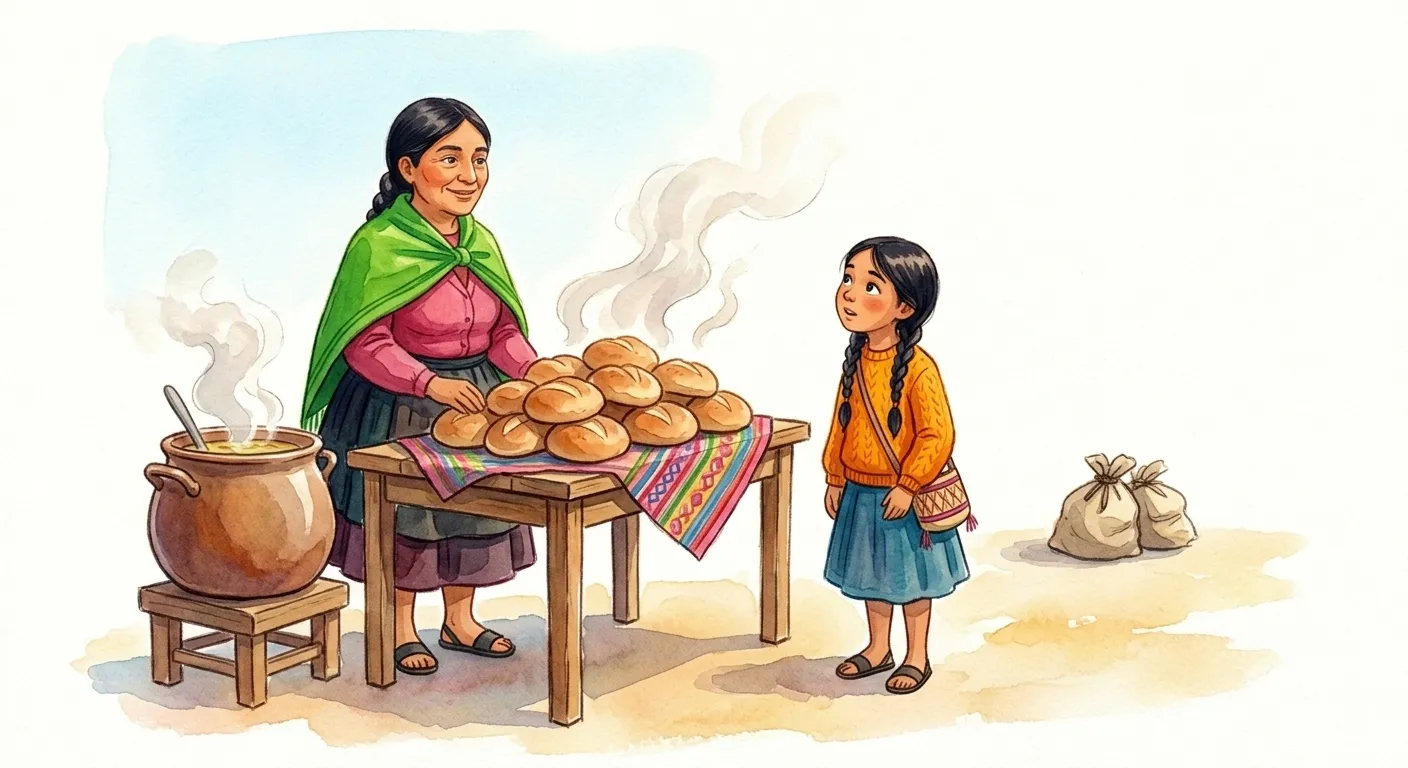
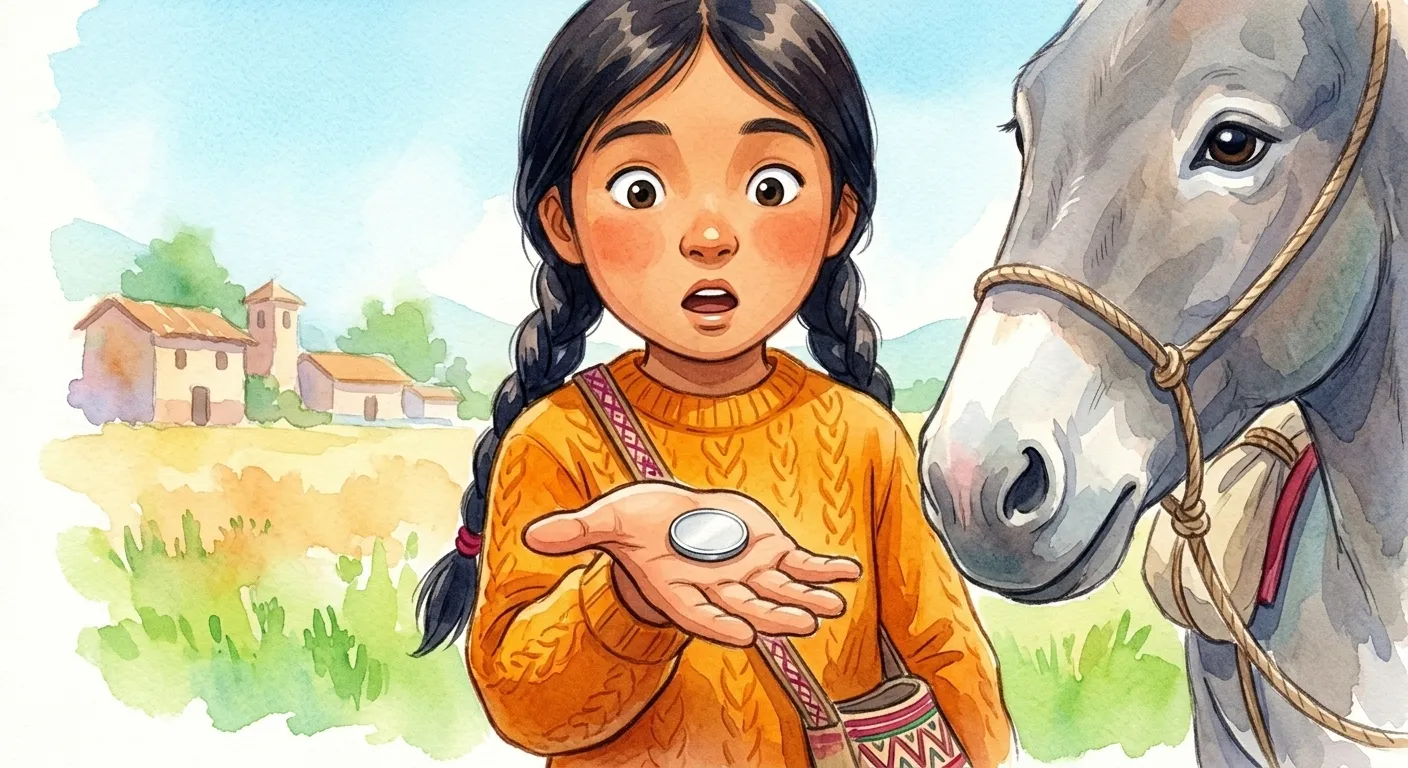
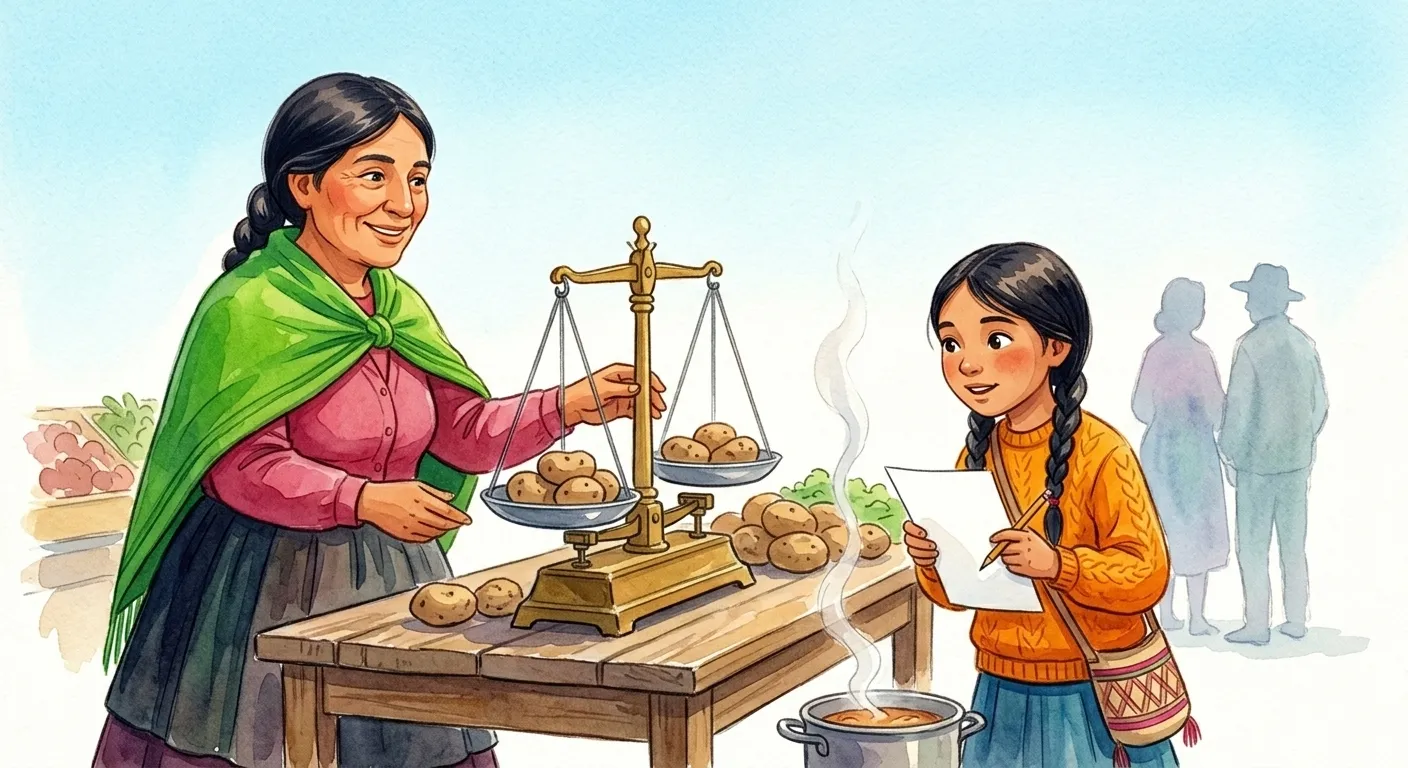
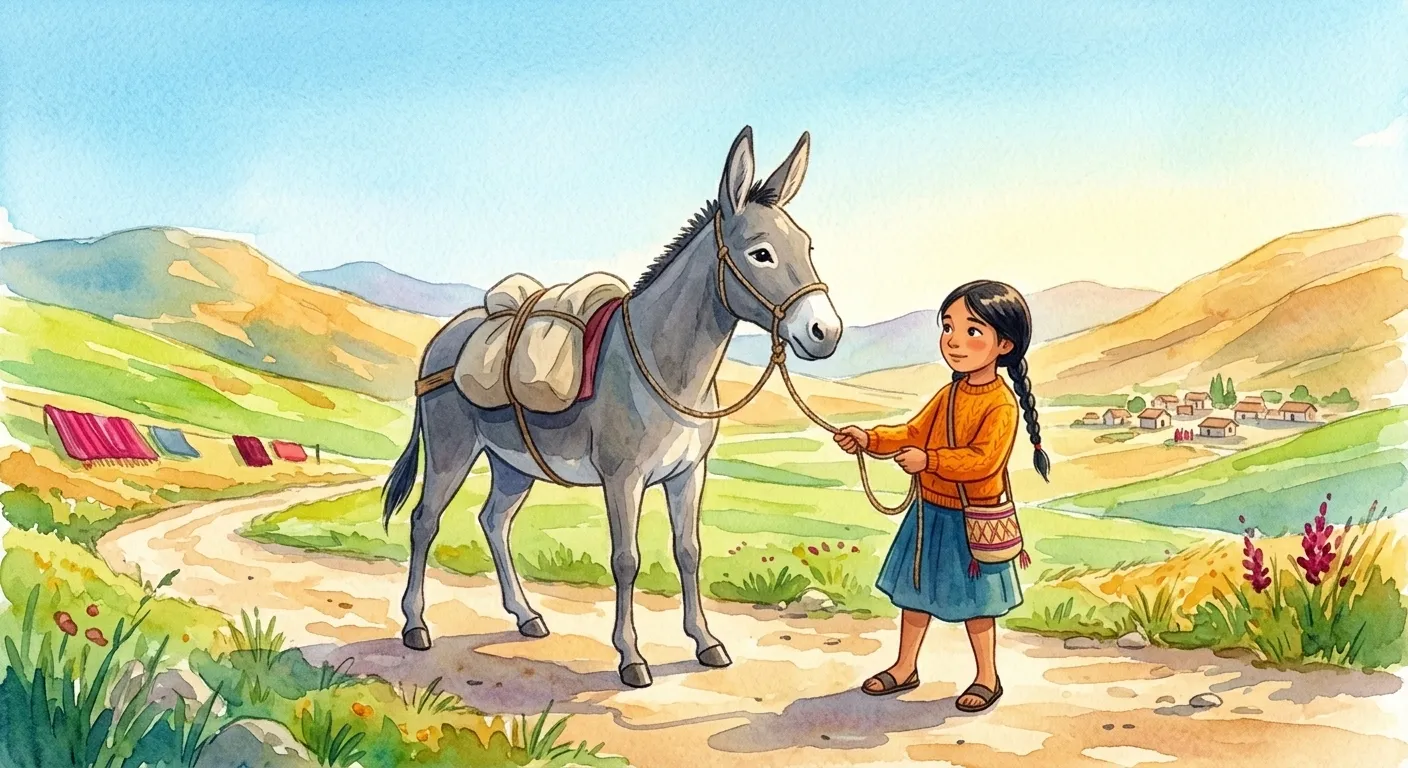
Twenty-two titles produced, each described by its code demand (C1–C4) and its language profile. The series follows Nina the vizcacha across worlds.

Status and transparency
Honesty about status is part of the method. A complete documentation architecture does not turn a hypothesis into a validated result.
The printed editions are first working editions. Before any data on minors is collected, the project must close:
The road to the first entry
The goal is not an impact pilot. It is a feasibility, process, exposure, cost and adverse signal study: how much local adjustment the national core needs, so it can be standardized.
Reference sequence for code, Andean children's corpus, variety rules, governance and the ethics and data plan. They unblock everything.
Briefs and early handoff: writing, illustrating and cultural authorization are the critical path.
Screening, teacher sheet and leveled stimuli, in parallel with the books.
6–10 contrast titles with independent double leveling and testing with real readers.
Assembled last, from tested books and instruments: integrated and verified in a multigrade classroom.
The hard test of the light protocol in a demanding territory. If it works there, it travels.
We are looking for partners to close the national assets and carry out the first entry. Write to us to receive the project brief and the territorial phase plan.
Semillas de lectura is a project of LIDES, a social and educational innovation lab.